
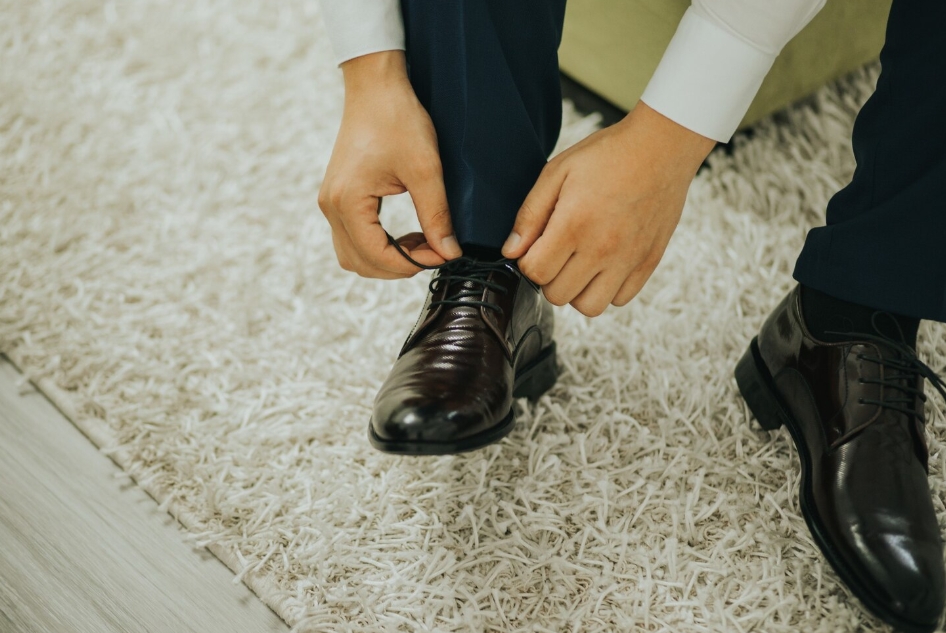
Handmade leather shoes are more than just footwear — they are a blend of craftsmanship, durability, comfort, and timeless style. Whether you’re buying your first pair or expanding your collection, knowing what to look for can help you choose shoes that will last for years. Here are the key factors to consider when shopping for high-quality handmade leather shoes, including important details that even many buyers overlook.
Understanding the Value of Handmade Craftsmanship
The first thing to appreciate about handmade leather shoes is the craftsmanship behind them. Skilled artisans spend hours cutting, stitching, shaping, and finishing each pair. This level of human attention results in better precision and character than mass-produced footwear. When you invest in handmade shoes, you’re paying for an item that has been thoughtfully constructed rather than assembled on an automated line. This craftsmanship is important for ensuring your shoes keep their shape, resist wear, and age beautifully.
Choosing High-Quality Leather
Not all leather is the same, and this is one of the most important elements to examine. Full-grain leather is considered the highest quality because it uses the strongest part of the hide and retains natural textures. It ages well and develops a rich patina. Top-grain leather is also good quality but has a smoother finish due to light sanding. Avoid genuine leather — despite its name, it’s often lower-quality processed leather. When buying handmade shoes, always check the material type, texture, and smell. High-quality leather should feel supple, smell natural, and show subtle variations — all signs of authenticity.
Inspecting the Stitching and Construction
Stitching is one of the clearest indicators of quality. Handmade leather shoes usually use either Goodyear welt, Blake stitch, or hand-welted construction. These methods not only improve durability but also allow the shoes to be resoled. When inspecting a pair, look for uniform stitching, clean lines, and no loose threads. The stitching should be tight and consistent. Sloppy or uneven stitches suggest rushed work. High-quality construction ensures your shoes can withstand daily wear without falling apart.
Checking the Sole Material and Build
The sole plays a major role in comfort, durability, and performance. Leather soles provide elegant flexibility and a classic look, while rubber soles offer stronger grip and water resistance. Many buyers prefer a combination, such as leather with a thin rubber top-lift for added protection. The way the sole is attached also matters. Welted soles, especially Goodyear welted, are considered premium because they are water-resistant and easily repairable. A well-built sole extends the life of your shoes significantly.
Ensuring a Good Fit and Proper Comfort
Even the most beautifully made shoes won’t serve you well if they don’t fit properly. Handmade shoes often feel slightly firm at first, but they should not be painful. Over time, quality leather moulds to your foot shape, giving a personalised fit. When trying on a pair, check the width, heel grip, and toe room. Your heel should not slip, and your toes should have space to move naturally. Comfort is essential, especially for dress shoes you may wear for long hours.
Considering Style, Shape, and Versatility
Style is a personal choice, but certain designs stand out for their versatility and elegance. Classic styles such as oxfords, derbies, loafers, and brogues pair well with both business and casual outfits. Handmade shoes often have refined silhouettes that mass-produced shoes can’t match. The last (the mould used to shape the shoe) determines the final look and comfort. A well-shaped last results in a balanced, attractive shoe that flatters the foot. When choosing handmade leather shoes, consider your wardrobe and pick a style that will complement most of your outfits.
Looking for Brands Offering Customisation
Many buyers of handmade footwear appreciate the option of customisation. This may include selecting the leather colour, choosing the sole type, upgrading the lining, or adjusting the fit. Customisation is especially useful if you have unique sizing needs. It also allows you to create a pair that reflects your personal taste. Buyers looking for exclusive collections often explore private label dress shoes, which give access to unique, well-crafted designs developed by specialist manufacturers.
Evaluating Durability and Long-Term Value
Handmade leather shoes are an investment, so durability is key. A high-quality pair can last many years if properly cared for. Look for reinforced areas, especially around the toe and heel, where shoes typically experience the most stress. Shoes with welted construction, strong lining, and sturdy soles tend to withstand wear better. Although handmade shoes cost more upfront, they often save money in the long run because they can be repaired or resoled instead of replaced.
Examining the Inside: Linings and Insole Quality
The interior of the shoe is often overlooked, but it’s just as important as the exterior. High-quality handmade shoes feature natural leather linings, which help absorb moisture and allow your feet to breathe. Cheaper shoes often use synthetic materials that trap sweat and cause discomfort. The insole should feel supportive and comfortable, offering structure without stiffness. Good interior craftsmanship reduces fatigue during long days.
Taking Care of Your Handmade Shoes
Once you make the investment, proper care is essential. Use shoe trees to maintain the shape, polish the leather regularly, and avoid wearing the same pair every day. Rotating your shoes allows the leather to breathe and prevents premature wear. With simple maintenance, handmade leather shoes can last for decades and look even better with time.
Conclusion: A Smart Investment in Quality and Style
Buying handmade leather shoes is a rewarding experience when you know what to look for. From leather quality and construction methods to fit and durability, each detail contributes to the overall value of your purchase. Handmade shoes offer unmatched comfort, character, and longevity — qualities that mass-produced footwear simply can’t replicate.